
5 Design Mistakes We See All The Time (and How to Fix Them)
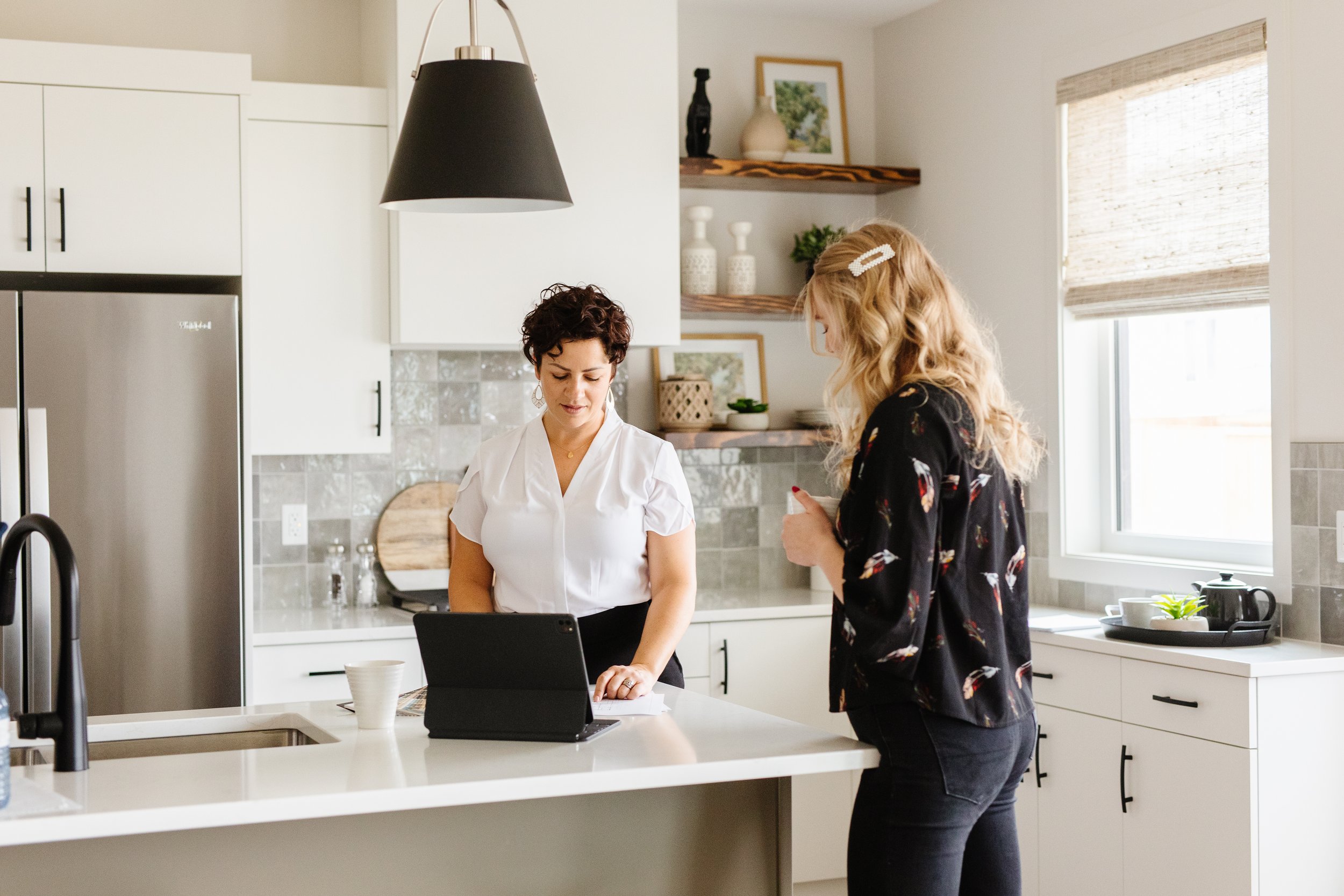
Design doesn’t have to be complicated, however, there are a few common mistakes we see time and time again that can make a home feel off, unfinished, or less functional that it should be. The good news? Most of these issues are easy to fix with thoughtful adjustments and a clear plan.
Whether you’re designing a home to live in or preparing a property for sale, avoiding these mistakes can make all the difference.
Furniture Pushed Against the Walls
Why it’s a problem:
This often makes a room feel disconnected and smaller than it actually is.
How to fix it:
Pull furniture off the walls , the distance depends on a few factors including the size of the room, the type of room and size of area rug (see #3). Even in smaller rooms, floating furniture slightly off the walls can improve flow and balance and help define the space. This approach is especially effective in home staging, where the furniture scale and placement can have an impact on a buyers overall impression and connection to the space.
Relying on a Single Light Source
Why it’s a problem:
One overhead light or single lamp can create harsh shadows make a room feel uninviting.
How to fix it:
Layer your lighting by combining ambient (ceiling) lighting with task lighting (lamps) and accent lighting to add warmth and dimension to your home. Proper lighting is one of the most overlooked and most impactful elements of interior design. Always consider the temperature of your bulbs when lighting your space. Choosing a neutral to warm temperature bulb (2700K - 3500K) will keep your home feeling warm and inviting while maintaining the integrity of the other colours in your space.
Area Rugs That Are Too Small
Why it’s a problem:
A rug that is too small can appear to be floating in the space, instead of grounding the furniture and can leave a room feeling disconnected and unfinished.
How to fix it:
Choose a rug based on the size of your room and your furniture layout. Think of a rug as the foundation of your room, I should anchor the main furniture pieces and visually connect them. Ideally you want your sofa and chairs sitting at least 12” onto the rug when possible.
Mixing Too Many Styles
Why it’s a problem:
When everything competes for attention, nothing feels cohesive.
How to fix it:
Start with one primary style and layer in complementary elements. A consistent colour palette and material selection go a long way in creating a calm, well designed space. If you are struggling to identify your style, use resources like Pinterest or Houzz to see examples of the many design styles and colour palettes available as inspiration. Hiring an interior design for a consultation is always a good idea and can be a great way to get ideas flowing and get reassurance you are heading in the right direction.
Designing For Looks Instead of Real Life
Why it’s a problem:
A space can look beautiful in photos but may not always translate into real life. When design choices are made purely for appearance, everyday needs like storage, durability and flow. This can result in a home that feels impractical and high-maintenance.
How to fix it:
Start with how the space is used day to day. Consider traffic flow and where items are realistically stored. Choose materials and finishes that will hold up to real life. When function comes first your home will naturally feel more comfortable, livable and timeless.
In summary:
Most design mistakes aren’t about bad taste, they’re about missing key details that impact how a space functions and feels. Small missteps in layout, scale, and lighting can quietly impact how a home feels and functions.
Hiring an interior designer can help you see your space differently. With professional guidance, decisions become clearer, mistakes are avoided and the entire process feels more intentional and less overwhelming. Whether you’re designing a home to live in or preparing one to sell, having an experienced professional to guide you can make all the difference in creating a space that feels cohesive, balanced and functional.